How Microneedling Works
Microneedling uses a device with tiny sterile needles (I use the SkinPen, an FDA-cleared device) to create thousands of controlled micro-injuries in the skin. Your body responds by producing new collagen and elastin — the proteins that keep skin firm, smooth, and elastic.
It's controlled damage that triggers controlled healing. The result: improved texture, reduced scarring, smaller pores, and a more even skin tone.
Why Add PRP?
PRP (platelet-rich plasma) is concentrated from your own blood. A small blood draw is processed in a centrifuge to isolate the plasma layer, which is rich in growth factors — proteins that accelerate healing and tissue regeneration.
When applied during microneedling, PRP penetrates through those micro-channels directly into the dermis. Instead of your skin healing with its normal blood supply, it heals with a concentrated dose of growth factors. The result: faster recovery, more collagen production, and more noticeable improvement per session.
The Evidence
Multiple clinical studies show that microneedling combined with PRP produces statistically better outcomes than microneedling alone for:
- Acne scarring — particularly rolling and boxcar scars
- Fine lines and wrinkles — especially around the eyes and mouth
- Skin texture — overall smoothness and radiance
- Hyperpigmentation — when combined with appropriate topicals
I'm not claiming miracles — results vary by individual. But the combination consistently outperforms microneedling alone in controlled studies.
What to Expect During Treatment
The process takes about 60–90 minutes:
- Blood draw — a small vial, similar to routine bloodwork
- Centrifuge processing — takes about 15 minutes to isolate PRP
- Numbing — topical anesthetic applied 20–30 minutes before needling
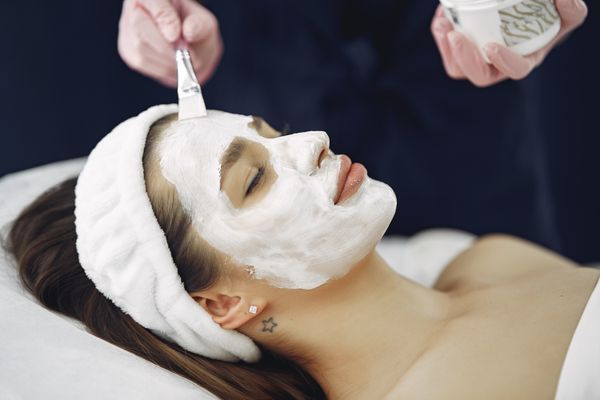
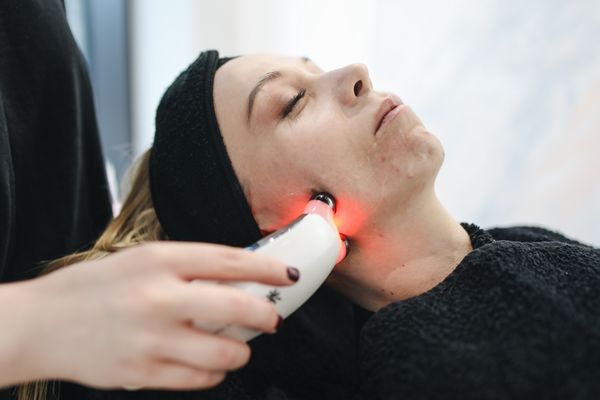
- Microneedling — the SkinPen passes over the treatment area in multiple directions
- PRP application — your PRP is applied to the skin during and after needling
Most patients describe the sensation as a mild vibrating or sandpaper feeling. The numbing cream handles most of the discomfort.
Recovery
- Day 1: Skin looks sunburned — red, slightly swollen, warm
- Day 2: Redness fading, can apply mineral makeup
- Days 3–5: Mild dryness and possible light flaking
- Week 2: Skin looks noticeably brighter and smoother
Avoid retinoids, acids, and intense exercise for 3–5 days post-treatment. I'll provide detailed aftercare instructions.
How Many Sessions?
For general skin rejuvenation, 3 sessions spaced 4–6 weeks apart is a solid starting point. For deeper acne scarring, 4–6 sessions may be needed. Results continue to improve for 3–6 months after your last session as collagen remodeling progresses.
A Note on At-Home Microneedling
Those derma-rollers you see online? They're not the same thing. At-home devices use shorter needles (0.25mm vs. the 1.5–2.5mm I use clinically) and can't reach the dermal layer where collagen production happens. They may improve product absorption slightly, but they don't produce the controlled wound-healing response that drives real results.
Worse, shared or improperly sterilized rollers can cause infection or scarring. Professional microneedling with disposable, single-use cartridges is the safe and effective approach.
Pricing
Microneedling: $500 per session. Package of 3 with PRP: $2,000 (save $500). Individual PRP add-on: $300 per session.